
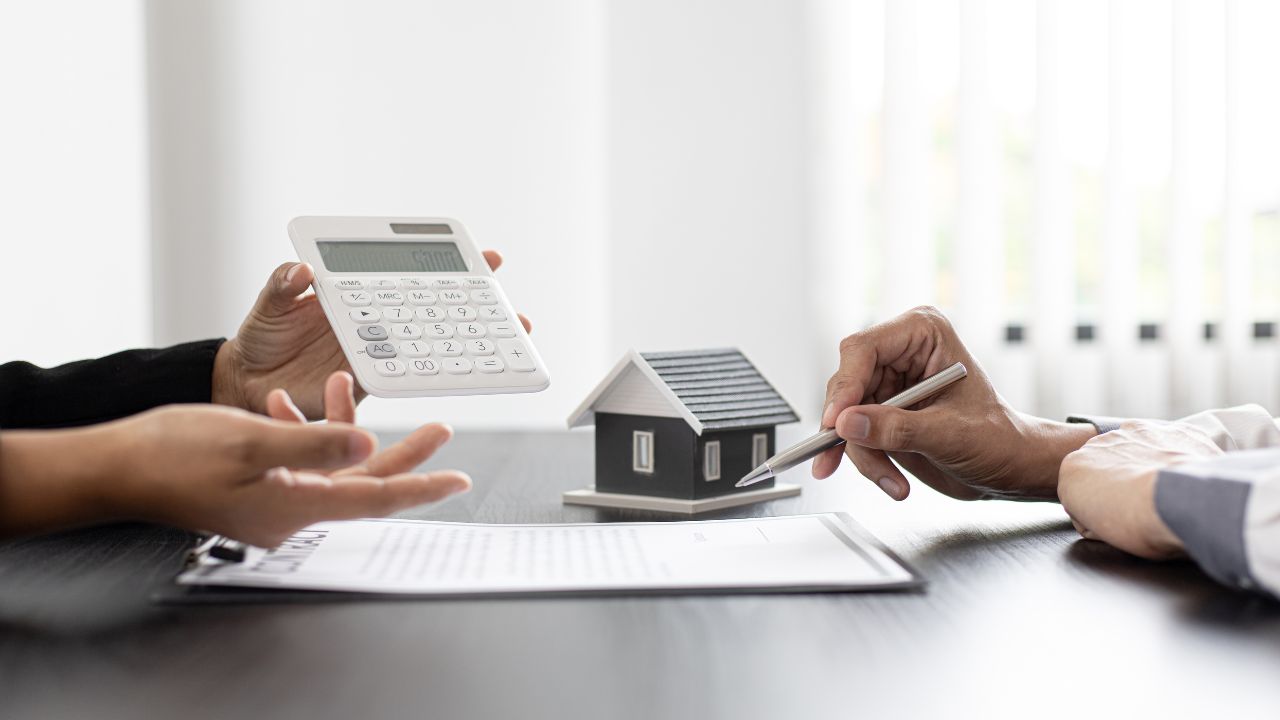
Selling a house doesn’t have to be long, stressful, or expensive—especially if you need money or a quick move. There are straightforward options that let homeowners receive cash offers fast. Below we explain how the fast-cash process works, why selling as-is can be a smart choice, which properties qualify, and how cash-buying companies make the sale simple and predictable.
How the Fast Cash Offer Process Works
The fast-cash process is built to remove the common headaches of a traditional sale and get you an offer quickly. It follows a few clear steps so you can decide without delay.
How do I get a cash offer for my home?
To get a cash offer, follow these straightforward steps:
- Initial Contact: Reach out to a cash home buyer and tell them you want to sell.
- Property Assessment: The buyer completes a quick review of your home’s condition and market factors.
- Receiving the Offer: Within about 24–48 hours you’ll typically get a written cash offer so you can weigh your options.
This streamlined approach helps sellers evaluate offers and move forward without the usual real estate hurdles.
How quickly can I close after accepting a cash offer?
After you accept a cash offer, closings can be surprisingly fast—often within 7 to 21 days. The exact timing depends on the buyer’s process and the state of the title, but having your documents ready and staying flexible with your date usually speeds things up. That quick turnaround is a relief for homeowners dealing with urgent situations, including possible foreclosure.
Benefits of Selling Your House As-Is for Cash
Selling as-is for cash removes many of the burdens of a traditional sale. You don’t have to pay for repairs, stage the home, or wait months for a buyer with financing.
- No Repairs Needed: Sell without paying for upgrades or managing contractors—ideal for homes that need work.
- Quick Cash Access: Cash offers deliver funds faster than a conventional sale, so you can handle immediate bills or move on sooner.
- Avoiding Realtor Fees: Selling directly to a cash buyer can reduce or eliminate agent commissions and some closing expenses, helping you keep more of the sale proceeds.
These advantages make as-is cash sales a practical choice for many homeowners, especially when time or money is tight.
| Benefit | Description | Impact Level |
|---|---|---|
| No Repairs Needed | Sell your home in its current condition without paying for renovations. | High |
| Quick Cash Access | Receive funds faster than with a traditional financed sale. | High |
| Avoiding Realtor Fees | Save on commissions and some transaction costs by selling direct. | Medium |
The table highlights the main upsides of selling as-is for cash and how each benefit typically affects sellers.
How does selling as-is remove the need for repairs?
Selling as-is means the buyer accepts the home in its current state, so you won’t manage contractors, carry repair costs, or gamble on improvements that might not pay off. Buyers who specialize in cash purchases expect a range of conditions and often budget for repairs themselves.
What costs can I avoid by selling to a cash buyer?
When you sell to a cash buyer, you can often avoid several traditional expenses, such as:
- Realtor Commissions: Selling directly can eliminate or reduce agent fees that take a percentage of your sale price.
- Closing Costs: Some cash buyers cover part or all closing fees, though this varies by buyer.
- Repair Costs: Because you sell as-is, you won’t pay for renovations before the sale.
These savings can make a cash sale an attractive and practical route for many sellers.
Which Types of Properties Qualify for Quick Cash Sales?
Many homes qualify for quick cash offers, even if they wouldn’t fit the traditional market. Cash buyers look for opportunity rather than perfection.
Can I sell distressed, pre-foreclosure, or probate homes for cash?
Yes. Distressed homes, properties facing pre-foreclosure, and probate situations are often a good fit for cash buyers. These buyers are used to handling legal or condition-related complexities and can offer a faster, cleaner solution than the conventional sales route.
How do tax-delinquent, bankruptcy, and short-sale properties fit into cash sales?
Properties with tax liens, bankruptcy involvement, or potential short-sale scenarios can be sold for cash. Cash buyers frequently work through these complications and can provide a viable path out of difficult financial situations, giving owners a quicker resolution than waiting on traditional offers or lender negotiations.

How Do Companies That Buy Houses for Cash Operate?
Cash-buying companies run a focused process designed to reduce friction for sellers. Knowing how they work helps you feel confident about your options.
What makes a trusted cash home buyer?
A trusted buyer is transparent, communicates clearly, and backs their offers with fair assessments and real client feedback. They explain fees and timelines upfront and provide references or testimonials so you can verify their track record before committing.
How is a fair cash offer determined for my property?
Buyers calculate offers based on the home’s condition, location, comparable market data, and the cost to repair or update the property. A reputable buyer will walk you through these factors so the offer reflects the realistic resale value after any necessary work.
What Should I Know About Selling My House Fast for Cash?
Selling fast for cash can simplify your move, but it’s important to weigh the trade-offs so you make the best choice for your situation.
What are the pros and cons of accepting a cash offer?
Pros:
- Speed: Closings often happen in days or a few weeks.
- Simplicity: Fewer contingencies and less paperwork than a financed sale.
- Certainty: Cash deals remove the risk of buyer financing falling through.
Cons:
- Lower Offers: Cash offers can be below full market price, reflecting repairs and risk taken by the buyer.
- Limited Negotiation: Some cash buyers have fixed margins, so there may be less room to haggle.
Knowing these pros and cons lets you decide whether speed and certainty are worth the potential price difference.
How can I compare cash offers to get the best deal?
Compare offers using three main criteria:
- Offer Amount: Look at the net cash you’ll receive, not just the headline number.
- Closing Timeline: Match the buyer’s timing to your needs—faster isn’t always better if it causes complications.
- Terms and Conditions: Check for fees, contingencies, or required concessions that affect the final payout.
Evaluating these points side-by-side helps you choose the best overall offer, not just the highest one.

Are There Opportunities for Real Estate Investors and Partnerships?
The cash-buying market also creates options for investors and partners who want to collaborate on deals or generate passive income.
What joint venture partnerships do cash home buying companies offer?
Some companies form joint ventures with investors to pool capital, share expertise, and split returns on acquisitions. These partnerships can speed up deal flow and provide access to shared resources and market knowledge.
How can affiliates earn passive income through cash home buying programs?
Affiliates can earn referral fees or commissions by sending leads—sellers or buyers—to cash-buying firms. Well-run programs pay reliably and provide marketing materials and tracking so affiliates can build steady passive income streams.
Frequently Asked Questions
What should I prepare before contacting a cash home buyer?
Gather whatever documents you have handy: the deed/title, mortgage statements, recent tax information, and any paperwork about liens. Also note obvious repairs or issues with the property so the buyer can assess quickly. Being prepared speeds up the assessment and leads to a more accurate offer.
Are there any risks associated with selling my home for cash?
Cash sales can mean lower offers, and not every buyer is reputable. Protect yourself by checking reviews, asking for references, and getting multiple offers. A clear, written agreement and independent legal or financial advice can reduce risk.
How can I ensure I receive a fair cash offer?
Do your homework: research recent sales in your area, consider a professional appraisal, and gather several offers. A transparent buyer who explains their valuation method and provides comparable numbers is more likely to be fair.
What happens if I change my mind after accepting a cash offer?
Whether you can back out depends on the purchase agreement. Many contracts include contingencies and timelines; canceling after signing can have consequences, such as losing an earnest money deposit. Read agreements carefully and consult an attorney if you’re unsure.
Can I sell my home if I still owe money on my mortgage?
Yes. If you owe more than the sale price, the transaction might be a short sale and will usually require lender approval. Cash buyers often work through those steps and can help coordinate with lenders to complete the sale.
What should I do if my home has significant damage?
Document the damage and be upfront with potential buyers. Many cash buyers specialize in homes that need major repairs and will factor repair costs into their offer rather than expecting you to fix things first.
How can I find reputable cash home buyers in my area?
Start with online reviews, Better Business Bureau listings, and local referrals. Look for buyers with clear contact information, verifiable testimonials, and a willingness to explain their process. Local real estate investment groups can also point you to reliable partners.
Conclusion
Choosing a quick cash offer can be a practical way to sell when you need speed, simplicity, and certainty. Selling as-is removes repair hassle and can reduce fees, while trusted cash buyers provide a straightforward path to close fast. If a faster sale fits your goals, explore our vetted cash home buying options and see which solution matches your needs.