
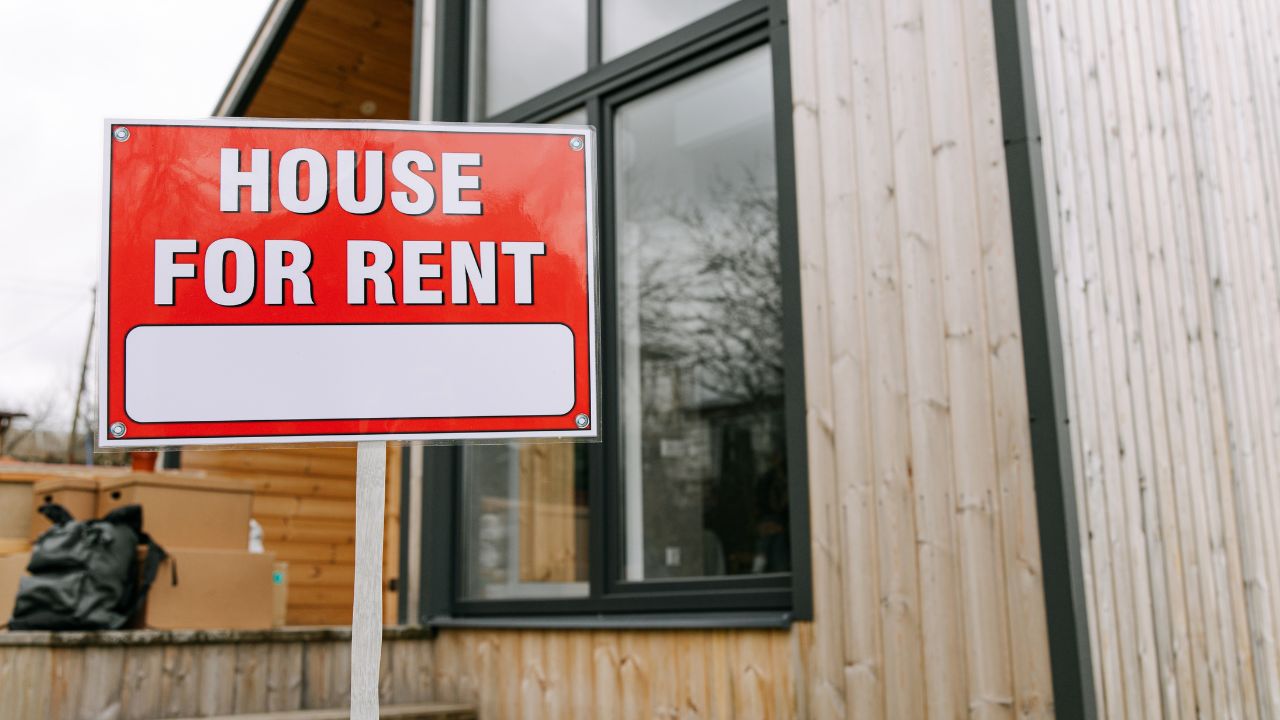
Rental property investing remains a widely used strategy for building wealth and steady income. This guide lays out the core benefits and the practical risks of owning rentals, and explains partnership options offered by firms like Fortune Global Monopoly Club. You’ll learn how rentals can deliver passive cash flow, tax efficiencies, and long-term appreciation — and what to watch for as the market evolves. We also cover joint-venture basics and the trends shaping 2024 so you can evaluate rental investments with confidence.
What Are the Key Benefits of Investing in Rental Properties?
Rental properties can strengthen an investment portfolio in several concrete ways: predictable monthly income, tax incentives that improve net returns, and the potential for price appreciation over time. Grasping these benefits helps you judge whether rental investing fits your goals and timeline.
How Do Rental Properties Generate Passive Income and Cash Flow?
Most rental income comes from tenant rent, producing ongoing cash flow you can use to cover mortgages, taxes, insurance, maintenance, and management. Cash flow depends on location, market rent, occupancy, and operating costs. For example, a well-located single-family home may command higher rents than a multi-family unit in a lower-demand neighborhood. Strong property management reduces vacancy and late payments, which protects and often improves cash flow.
What Tax Advantages Can Rental Property Investors Expect?
Rental investors can access several tax tools that lower taxable income and improve after-tax returns. Common benefits include:
- Depreciation: You can depreciate the building over time to reduce taxable income.
- Mortgage interest deductions: Interest on loans for rental properties is typically deductible.
- 1031 exchanges: When structured correctly, you can defer capital gains taxes by reinvesting proceeds into like-kind properties.
These tax rules don’t change the economics overnight, but they meaningfully affect long-term profitability and cash flow planning.
Fortune Global Monopoly Club focuses on fast, fair cash offers for homeowners and often acquires homes in difficult situations. That sourcing capability can create entry points into the rental market for investors seeking value or off-market opportunities.
What Risks Should Investors Consider When Investing in Rental Properties?
Rental real estate can be profitable, but it carries real risks. Knowing those risks — from tenant turnover to unexpected repairs — helps you build a realistic plan and avoid surprises.
How Can Investors Mitigate Risks Like Vacancies and Maintenance Costs?
Vacancies and repair expenses are common pressure points. Practical steps to reduce their impact include:
- Thorough tenant screening: Background, income verification, and references help reduce late payments and evictions.
- Preventive maintenance programs: Regular checks and minor repairs prevent larger, costlier failures later.
Proactive management keeps occupancy high and reduces long-term expense volatility.
What Are the Unique Risks of Investing in Distressed Properties?
Distressed properties can offer lower purchase prices but often come with higher renovation needs, carrying costs, and market uncertainty. Accurate inspections and conservative cost estimates are essential; without them, surprise expenses can erode returns quickly. Due diligence — including title review, repair quotes, and local market checks — is nonnegotiable.

How Does Fortune Global Monopoly Club’s Joint Venture Partnership Work?
Fortune Global Monopoly Club structures joint ventures so investors pool capital and expertise. That approach spreads risk, leverages local market knowledge, and lets investors participate at different levels — from hands-on management to purely financial backing.
Putting joint-venture practice in context helps clarify which partnership structures tend to succeed.
Critical Success Factors for Real Estate Joint Ventures
This dissertation (2012–2017) examines how international joint ventures in real estate development perform and which factors drive their success. It treats the capital investor as the international partner and local developers, operators, or real estate professionals as the local partner. The study models the critical success factors from the capital investor’s point of view, highlighting governance, partner alignment, and operational capacity as key drivers.
Modelling critical success factors of international joint ventures in real estate development: perspective of a capital investor, 2018
What Are the Steps to Partner with FGM in Real Estate Investments?
Typical steps to form a partnership with Fortune Global Monopoly Club include:
- Initial consultation: We discuss your goals, timelines, and investment preferences to identify fit.
- Investment agreement: We document roles, capital commitments, and return splits in a written agreement.
- Property selection: Together we evaluate and select assets, often leveraging FGM’s sourcing and underwriting experience.
This structure lets investors benefit from FGM’s deal flow and operational knowledge while sharing risk according to the agreement.
What Returns and Roles Can Investors Expect in FGM Partnerships?
Returns vary by deal, but investors can typically expect annual returns in the 6% to 10% range, depending on property type and market conditions. Partners may choose active roles — managing renovations and tenants — or remain passive, contributing capital while FGM handles operations.
Why Are Distressed Properties a Strategic Investment Opportunity?
Distressed properties can be strategic because they often sell below market value and, with the right upgrades and management, can deliver outsized returns. They also meet growing demand for affordable rental housing in many markets.
How Does FGM Acquire and Manage Distressed Properties?
Fortune Global Monopoly Club follows a disciplined playbook for distressed assets that includes:
- Market analysis: Identifying neighborhoods with rent growth and demand fundamentals.
- Value-add renovations: Targeted upgrades that improve tenant appeal and raise net operating income.
That combination aims to boost returns while contributing to neighborhood stability and improved housing stock.
What Value Does Investing in Distressed Properties Add to Your Portfolio?
Distressed properties can add diversification and the potential for higher entry returns because of lower purchase prices. For investors with the right risk tolerance and renovation plan, these assets can increase overall portfolio yield and long-term equity growth.
How Do Rental Properties Compare to Other Investment Options?
Rental real estate behaves differently from stocks and bonds, offering tangible value, cash flow, and inflation protection. Those distinct characteristics make rentals a useful diversification tool for long-term investors.
What Makes Real Estate a Tangible and Inflation-Hedged Asset?
Real estate is a physical asset that typically retains intrinsic value even when markets swing. Rental income and property values often rise with inflation, which helps preserve purchasing power over time — a reason investors use real estate as an inflation hedge.
How Does Rental Property Investment Diversify Your Portfolio?
Adding rental properties introduces an asset class that moves differently from public markets. That separation can lower overall portfolio volatility and provide steady income, which may improve long-term risk-adjusted returns.

What Are the Current Market Trends and Outlook for Rental Property Investment in 2024?
Heading into 2024, several trends shape rental investing: financing cost sensitivity, shifting inventory levels, and evolving tenant demand. Understanding these forces helps with timing and underwriting.
How Do Financing Costs and Inventory Affect Rental Investments?
Interest rates and lending conditions directly affect mortgage costs and buyer affordability. Higher rates compress cash flow unless rents keep pace. Meanwhile, housing inventory determines tenant options and pricing power — tight supply typically supports higher rents and lower vacancy.
What Tax and Regulatory Changes Impact Rental Property Investors?
Tax and regulatory updates can change the economics of ownership. Keep an eye on deduction rules, local landlord-tenant regulations, and zoning or permitting changes that affect operating costs or renovation timelines. Staying informed ensures you maximize benefits and remain compliant.
| Benefit | Description | Value |
|---|---|---|
| Passive Income | Recurring rent provides consistent monthly cash flow. | High |
| Tax Advantages | Deductions such as depreciation and mortgage interest improve after-tax returns. | Medium |
| Long-term Appreciation | Properties generally gain value over time, building equity. | High |
This table summarizes how rental properties can contribute to income, taxes, and long-term capital growth.
| Risk | Mitigation Strategy | Impact Level |
|---|---|---|
| Vacancies | Use careful tenant screening and competitive pricing. | High |
| Maintenance Costs | Maintain a preventive schedule and budget reserves for repairs. | Medium |
| Distressed Properties | Perform thorough inspections and conservative cost estimates. | High |
These are the primary risks investors face and practical ways to manage them.
When evaluated carefully, rental properties can be a productive part of a long-term portfolio. With clear underwriting, active risk management, and the right partnerships — like those offered by Fortune Global Monopoly Club — investors can pursue steady income and capital growth.
Frequently Asked Questions
What should I consider before investing in rental properties?
Start with location, property condition, and local rental demand. Forecast cash flow, factor in vacancy and repair reserves, and confirm your financing options. Match the investment to your time horizon and risk tolerance, and consult real estate professionals when needed.
How can I finance my rental property investment?
Common options include conventional mortgages, portfolio or private loans, FHA programs for some buyers, and partnerships that pool capital. Compare rates, down-payment requirements, and terms to choose the best fit for your strategy.
What are the ongoing costs associated with rental properties?
Plan for mortgage payments, property taxes, insurance, routine maintenance, utilities (if applicable), and management fees. Also set aside a reserve for unexpected repairs and vacancy periods.
How do I determine the right rental price for my property?
Run a comparative market analysis: look at similar nearby listings, recent lease rates, property size, and amenities. Online platforms can help, but local market knowledge ensures your rent is competitive yet profitable.
What role does property management play in rental investments?
A good property manager handles tenant screening, rent collection, maintenance coordination, and compliance. They reduce day-to-day workload for owners and can improve occupancy and tenant satisfaction, though their fee should be weighed against expected benefits.
What are the benefits of investing in rental properties compared to stocks?
Rental properties offer physical assets, steady cash flow, tax tools, and potential appreciation — and they can act as an inflation hedge. Stocks may offer higher liquidity and growth but can be more volatile; rentals add a different risk-return profile to a diversified portfolio.
Conclusion
Rental properties blend predictable income, tax benefits, and long-term appreciation into a compelling wealth-building option. They require careful underwriting and active risk management, but with the right partners — including Fortune Global Monopoly Club — investors can pursue stable returns and portfolio diversification. If you’re evaluating rentals, start with clear financials, a realistic renovation budget, and trusted partners to help execute the plan.