
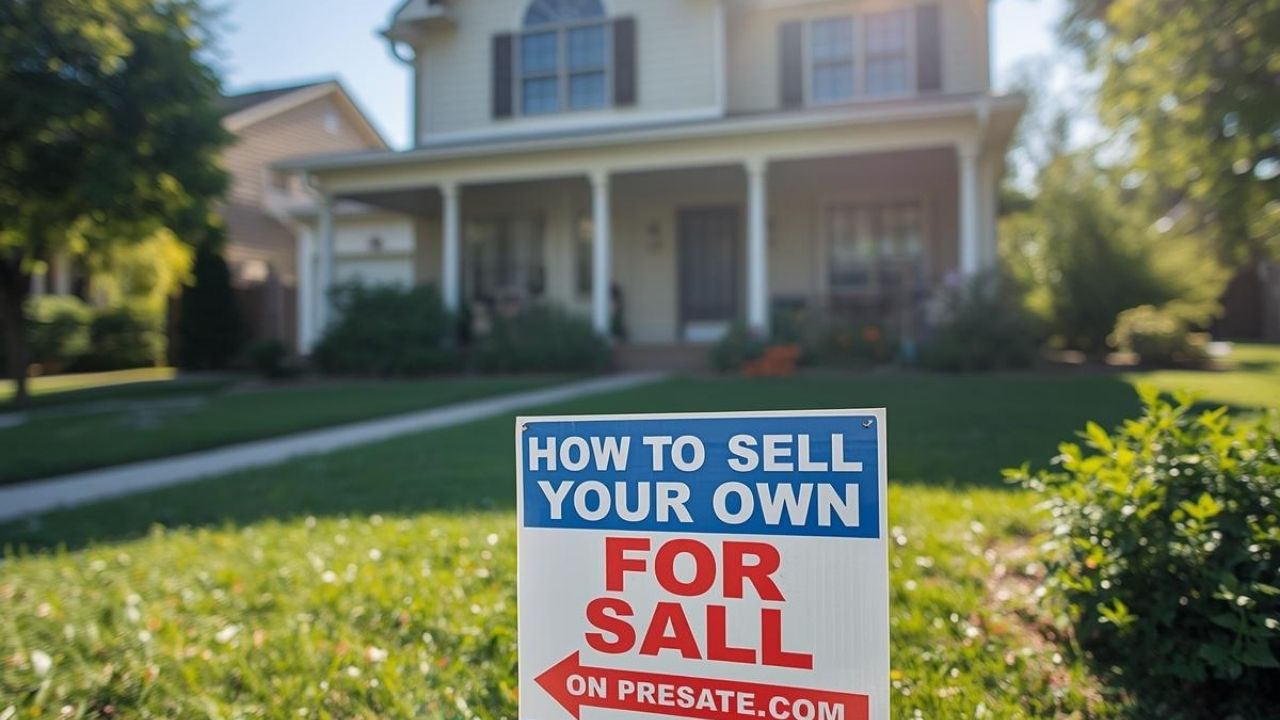
Selling your home yourself (FSBO — For Sale By Owner) can save you money and give you full control of the process, but it also requires focus and the right approach. This guide, shaped by real‑world seller experience and investor best practices, walks you through preparing your property, meeting legal and disclosure requirements, pricing with confidence, and marketing to the right buyers. Follow these steps to move faster, protect your interests, and keep more of the sale proceeds.
Research has explored why some homeowners sell privately while others hire estate agents, weighing factors like cost, control, and perceived added value.
Estate Agent vs. Private Home Sale Determinants
This study examines the drivers behind choosing an estate agent versus a private sale in the French housing market — and asks what practical benefits agents provide compared with FSBO transactions.
What added value do estate agents offer compared to FSBO transactions?
Explanation from a perceived advantages model, F Larceneux, 2015
Essential Steps to Sell Your Home By Owner
Selling your home without an agent breaks down into a clear sequence: get the house market‑ready, document its condition, price it competitively, promote it effectively, and manage offers through to closing. Knowing each step cuts mistakes and keeps the sale moving.
Prepare Your Home for a Quick Sale and FSBO Success
Preparation drives results. Start by decluttering and depersonalizing so buyers can picture themselves in the space. Make sensible, cost‑effective repairs — fresh paint, tightened hardware, and curb improvements deliver strong returns. Stage rooms to highlight flow and function, and hire a professional photographer to capture crisp, well‑lit images that sell online.
Required Legal Documents and Disclosures for FSBO Sellers
Proper paperwork protects both parties and speeds closing. Key items include a property disclosure that lists known issues, a purchase agreement that defines sale terms, and title documentation showing ownership and liens. Inspection reports and any local mandatory disclosures should be ready up front. When in doubt, consult a real estate attorney to confirm compliance with local rules.

How to Price and Value Your Home Accurately for FSBO
What a Comparative Market Analysis (CMA) Does for FSBO Sellers
A Comparative Market Analysis (CMA) estimates fair market value by comparing your property to similar nearby sales. Pull data on recent closings, current listings, and expired listings to see how your home stacks up. Use the CMA to set a competitive price that attracts buyers while protecting your return.
Using Appraisals and Market Trends to Set the Right Price
A professional appraisal gives an objective valuation based on condition, location, and comparable sales. Pair that with current market indicators — average days on market, inventory levels, and recent price movements — to refine your asking price. Balance realism with your timeline: aggressive pricing may speed a sale, while a conservative approach can maximize proceeds.
Top Marketing Strategies and Platforms for Selling Without a Realtor
Listing on Flat Fee MLS and FSBO Websites — Best Practices
Flat fee MLS and FSBO platforms extend your reach to buyer agents and online audiences. For best results, use high‑quality photos, a clear, benefits‑driven property description, and accurate specs (bedrooms, baths, lot size, upgrades). Call out recent renovations and energy features that set your home apart, and keep your listing information consistent across platforms.
Using Photography, Virtual Tours, and Social Media to Drive Interest
Visuals sell the listing long before showings start. Invest in professional photos and consider a 3D or video tour so buyers can explore remotely. Promote those assets on social channels (Facebook, Instagram, and neighborhood groups) and use targeted posts to reach local buyers and investors.
Negotiating Offers and Closing the Sale as an FSBO Seller
Key Negotiation Tips for FSBO Sellers
Look beyond the headline price. Evaluate offers on financing, contingencies, closing timeline, and earnest money. Respond with clear counteroffers that prioritize your deal breakers, and keep communication professional and timely — a cooperative tone often earns better outcomes than a hardline stance.
Managing Closing Costs, Contracts, and the Final Sale Steps
Understand typical closing costs: title insurance, transfer taxes, recording fees, and any attorney or escrow fees. Have contracts and contingencies reviewed by counsel, and coordinate inspections, clear title issues, and final walkthroughs early. Clear, consistent communication with the buyer and your settlement team reduces last‑minute friction.

Benefits and Alternatives to Traditional FSBO Selling
How Selling for Cash with an iBuyer or Investor Works
Cash buyers — iBuyers or investors — can close fast and with fewer showings. iBuyers use automated valuations to make quick offers and often close in days to weeks. While the offer may be below market price, the tradeoff is speed and convenience for sellers who prioritize a rapid sale.
How Fortune Global Monopoly Club Connects Sellers with Investors for Quick Sales
Fortune Global Monopoly Club focuses on two goals: helping owners who need a fast, straightforward sale and introducing investors seeking passive real estate opportunities. We connect sellers with a vetted investor network, present competitive cash offers, and help streamline the transaction so you can close faster without unnecessary complexity.
| Document Type | Description | Importance |
|---|---|---|
| Property Disclosure Statement | A written record of known property issues | Protects you from future claims and builds buyer trust |
| Purchase Agreement | The contract that sets sale terms | Forms the legally binding agreement between buyer and seller |
| Title Report | Verification of ownership and any liens | Ensures the title transfers cleanly at closing |
Being familiar with these documents and preparing them in advance keeps the transaction steady and reduces surprises at closing.
Handling a FSBO sale successfully means planning, clear pricing, strong marketing, and careful paperwork. Whether you sell directly or accept a cash offer from an investor, informed decisions and organized execution help you close faster and keep more of your proceeds.
Frequently Asked Questions
What common mistakes should FSBO sellers avoid?
Typical missteps include overpricing, delaying necessary repairs, and weak marketing. Overpricing reduces interest; visible maintenance issues invite low offers or inspection problems; poor photos and sparse listings limit buyer traffic. Do your research, prepare the home, and invest in marketing to avoid these pitfalls.
How should I handle buyer inquiries and showings?
Be prompt and professional. Answer questions clearly, confirm showing times, and provide a one‑page fact sheet with key property details. Keep the home tidy and neutral during showings so buyers can imagine living there.
What should FSBO sellers know about home inspections?
Inspections are common and can affect negotiations. Consider a pre‑inspection to uncover and fix issues before listing — this builds buyer confidence and limits surprises during the sale process.
How can I ensure a smooth closing process?
Stay organized: collect documents early, work with a title company or attorney, and communicate deadlines to the buyer. Address title or repair issues promptly and confirm funds and closing logistics ahead of the scheduled date.
Are there tax implications when selling without a realtor?
Selling without an agent doesn’t change your tax obligations. You may owe capital gains tax if the property appreciated beyond the primary residence exclusion ($250,000 single, $500,000 married). Consult a tax advisor to understand your specific liabilities and potential deductions.
How can I use social media effectively for a FSBO sale?
Share high‑quality photos, a short tour video, and a clear call to action on platforms like Facebook and Instagram. Post in local groups, use targeted ads if within budget, and encourage shares from neighbors and friends to widen exposure.
Conclusion
Selling your home on your own is entirely doable with the right preparation: ready the property, price it using solid data, market it professionally, and handle paperwork carefully. If speed and simplicity matter, consider investor or cash‑buyer routes. Use this guide as your roadmap, and reach out to trusted advisors when legal or tax questions arise. Take control of your sale and move forward with confidence.